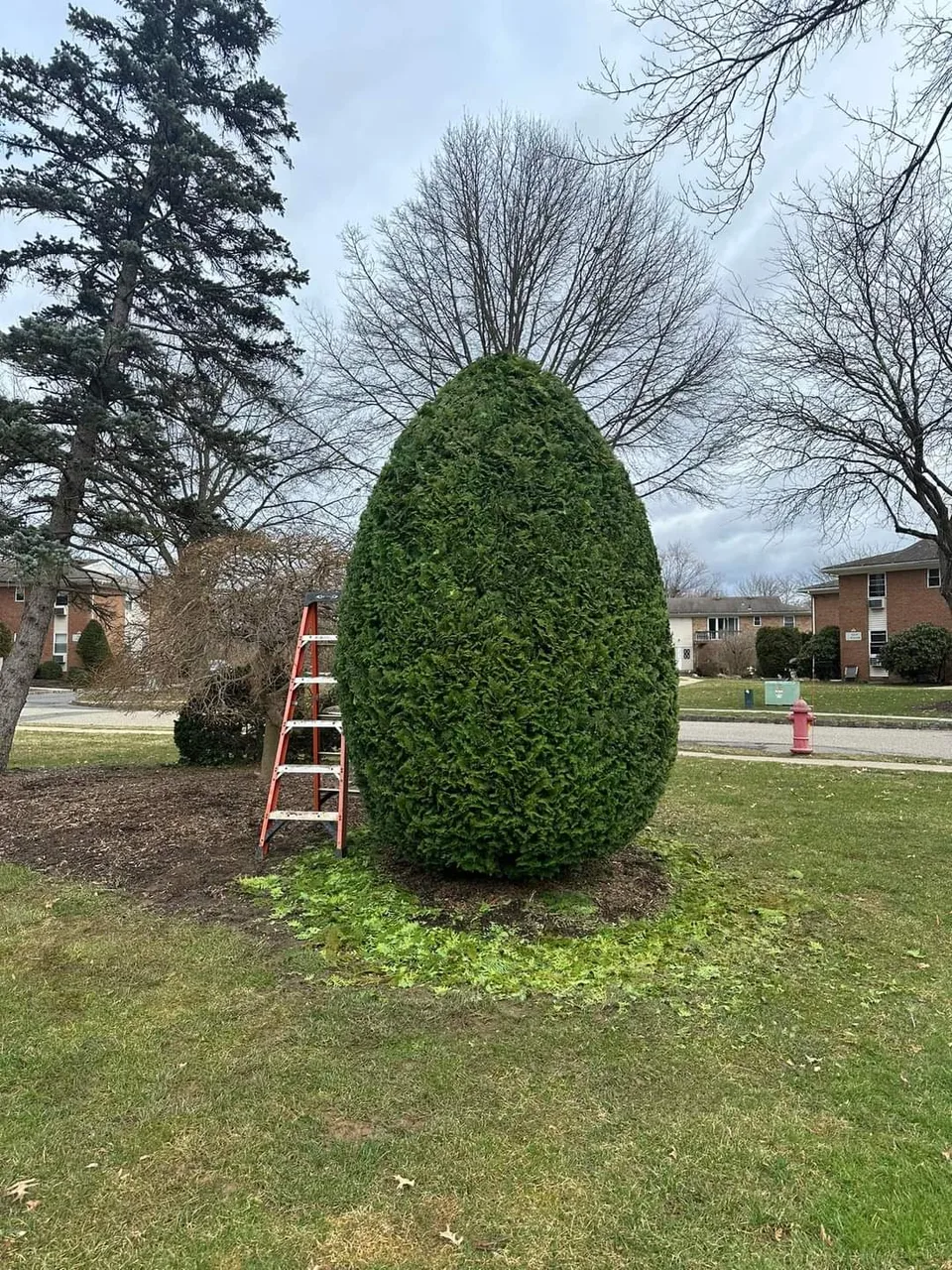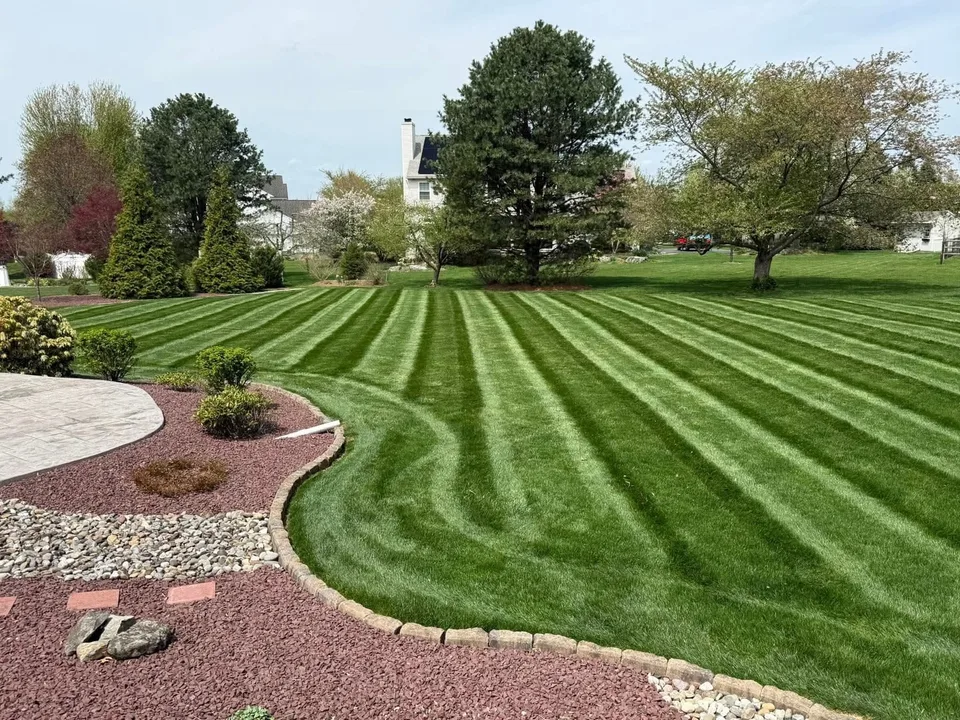
Shrub care
When Should You Trim Bushes in Central PA?
The right timing depends on what is growing, when it flowers, and how much cutting it needs. A fall cleanup is not a reason to trim every bush.
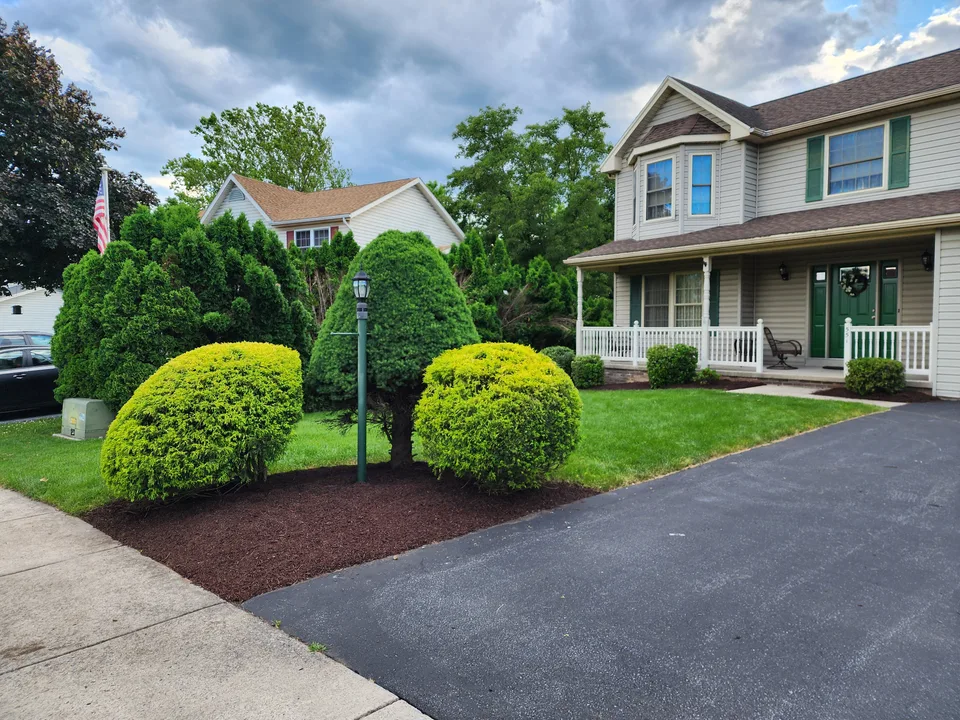
Start with the plant, not a date
A hedge along a driveway and a flowering shrub beside the front door may need different treatment. Before booking a visit in Harrisburg, Linglestown, or Camp Hill, identify which plants you want maintained and what you want to change: shape, walkway clearance, or the overall size.
Penn State Extension explains that many spring-flowering shrubs are best pruned after flowering because their next flowers develop on older growth. Many summer- and fall-flowering shrubs bloom on new growth and can be pruned in late winter or early spring. These are general patterns, not a calendar for every species.
Plant-care reference: Penn State Extension: Pruning Flowering Shrubs.
What about trimming during a fall cleanup?
Keep the cleanup and pruning decisions separate. Leaves can be cleared from around a shrub without reshaping it. If the main problem is an untidy bed, ask for leaf removal, edging, or mulch preparation rather than automatically requesting a hard cutback.
For a trimming estimate, tell us whether keeping next season's flowers matters and whether the plants have already been cut recently. If you do not know the plant name, say so. The scope and timing should be confirmed before cutting begins.
Routine shaping or a major reduction?
A small touch-up is not the same project as reducing a large, neglected planting. Penn State also notes that not every shrub responds well to shearing. A neat surface is not the only consideration: the plant type and the intended result matter.
Be specific about the change you want. "Keep the walkway clear" is a more useful starting point than "cut everything in half." Major plant reductions, removing an entire bush, and stump work should not be assumed to be part of routine trimming.
What to share for your trimming estimate
Royals offers free, property-specific estimates. Routine mowing, trimming, and cleanup are separate tasks even when they are scheduled together. The estimate should make clear which plants will be worked on and how the clippings will be handled.
- Your street address and which beds or hedges need work.
- Approximate plant heights, counts, and names if known.
- The desired shape or clearance, plus plants that must be left alone.
- Gates, narrow access, parked cars, and obstacles near the plants.
- Whether you want clipping collection and haul-away included.
Plan your property work
Review the service details, then send your address and the areas needing attention. We will confirm the scope and availability before scheduling.